6 Workplace Safety Tips
Workplace safety is a top priority for every business owner. After all, no one wants their employees, suppliers, or customers to be put at risk. It’s also essential for business owners to stay updated on local health and safety regulations to ensure their workplace remains compliant.
We’ve outlined some key workplace safety tips to help protect employees and everyone else in the workplace.
1. Keep Areas Clear and Dry to Avoid Slips, Trips and Falls

Wet surfaces and cluttered work areas are common causes of slips. To prevent this, managers should emphasise to their teams the importance of maintaining clear and dry walkways. Doing so helps reduce the risk of slips, trips and falls, ultimately improving overall safety. When working with liquids, always use drip pans and guards, and make sure to clean up any spills immediately.
Additionally, inspect the flooring for any loose panels, cracks, or fasteners. If you find any damage, replace the flooring right away. In areas that are difficult to clean, consider installing anti-slip flooring. Using floor mats is also an effective way to prevent slips and enhance safety in the workplace.
2. Ensure Proper Machinery and Equipment Training
The most common cause of workplace injuries is the improper use of machines and equipment. While training is essential, it is not enough for high-risk tasks involving heavy tools and machinery.
Employees must have the appropriate licenses to operate in specific environments and handle particular equipment or machinery. These licenses should be renewed as required and immediately upon expiration to ensure ongoing safety.
3. Wear Appropriate Clothing
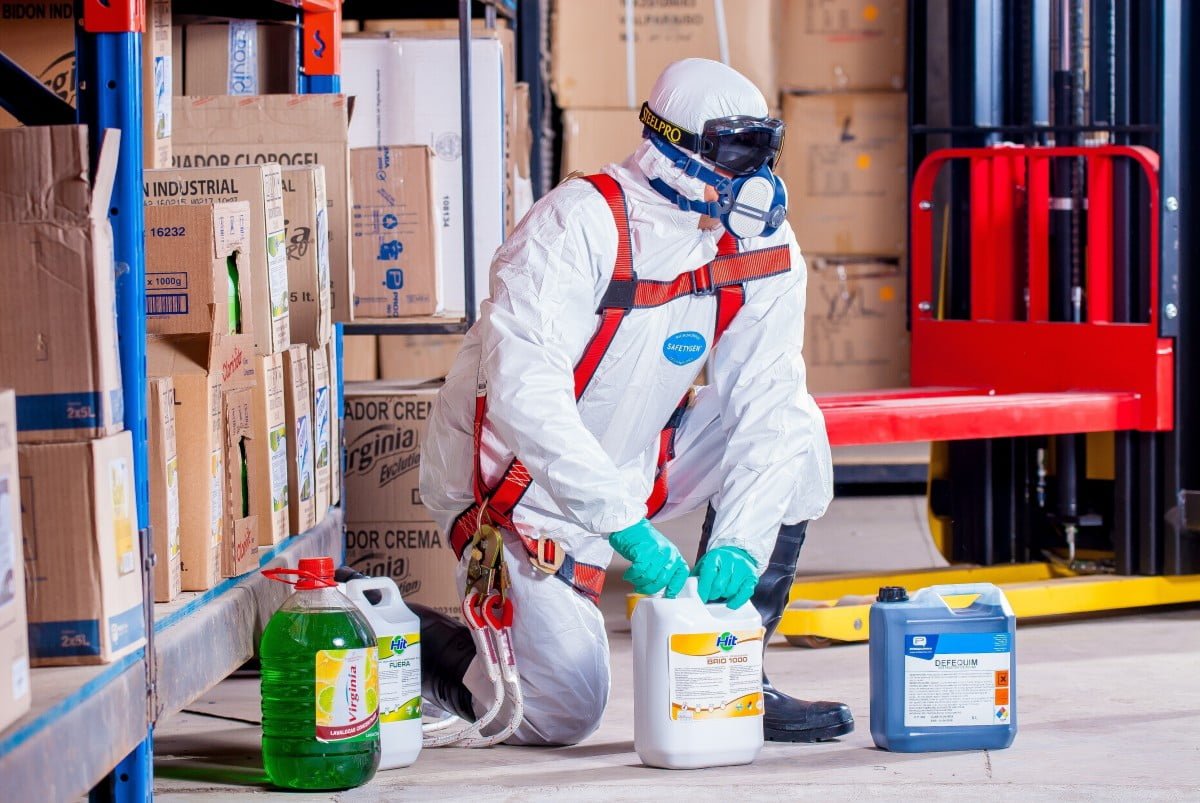
Workers must wear the appropriate safety equipment and ensure all tools are in safe working condition to minimise the risk of injury.
Different industries have specific workwear requirements. For instance, industrial workwear often needs to offer UV protection, fire resistance, and protection from other hazards. Stronger textiles are suitable for workers in the automotive industry, while those working in environments with open flames or fire hazards should wear fire-retardant materials for added safety.
4. Label Hazardous Zones
Areas where hazardous equipment is stored should be clearly labelled with signage to ensure the safety of employees, visitors, suppliers, and customers.
Additionally, marking these zones with black and white striped tape or paint on the floor helps workers stay aware of potential dangers, reducing the risk of accidents and serious injuries.
5. Provide First Aid Training
A practical way to handle emergencies is by providing employees with clear information about first aid locations. In larger workplaces and high-risk industries, it’s essential to ensure that at least one team member is trained in emergency response.
These one-day training courses cover a range of topics, including CPR, seizures, and bleeding, equipping staff to effectively respond in critical situations.
6. Service all Tools and Machinery
Tools and machinery should be serviced regularly, not just when they break down. Preventing malfunctions before they occur is crucial, as equipment failures can lead to injuries and increased costs for the business. Regular, thorough, and professional maintenance is essential to ensure the safety and efficiency of your equipment.
ATEX Safety Equipment

At SA Equip, we design and manufacture heating, power distribution, lighting, and ventilation equipment for heavy and demanding industries, making safety procedures a top priority.
Our equipment enables you to work in challenging environments, extreme temperatures, and difficult situations, improving results with reduced risk and fewer man-hours. We are committed to delivering both safety and efficiency, providing real, tangible business advantages.
Please note: This information should not be used to zone areas or decide whether equipment is suitable. Specialist ATEX advice must always be taken before making decisions. SA Equip LLP accepts no liability for use of this information. E & O E.