Equipping Yourself for Safe Hot Work
A hot work permit alone doesn’t guarantee safety, just like having a driver’s license doesn’t make someone a skilled driver.
That’s why the industry professionals we speak with every day share a common mindset. Safety isn’t just about the paperwork. It comes from building safer systems of work, fostering safer environments, and encouraging safer attitudes because true safety is rooted in culture, not just compliance.
Hot work comes with serious risks, but the right approach, and the right equipment, can make all the difference. Understanding the basics, recognising common high-risk scenarios, and choosing smart solutions are key to safer, more efficient work.
This guide covers the essentials of hot work and highlights specialist equipment that helps create safer, more productive environments while reducing time on-site, risk exposure, and overall costs. Explore practical insights and must-know equipment recommendations for anyone involved in hot work.
1. What is Hot Work?
Defining hot work is very straightforward: it’s simply the possible presence of hydrocarbon vapours in the atmosphere and the existence of potential ignition sources.
That ignition could be caused by:
- Use of open flame
- Applying heat
- Applying Friction
Meaning many of the activities carried out on-site by our clients, from welding to torch cutting and soldering, are described as hot work.
The UK Health and Safety Executive (HSE) highlights that hot work in dock environments alone has led to numerous serious fires and explosions, many resulting in fatalities and severe injuries. Remarkably, legislation aimed at improving hot work safety dates back as far as 1847, with some elements still in force today.
In the UK, the HSE expects an employer to make sure safety precautions have been taken, ensure any contractors are competent to carry out work safely and always have clarity around who is taking responsibility for safety procedures.
In many cases a hot work permit will be to make sure procedures are followed and will include information covering:
- Hot work location and description
- How long the hot work will take
- The time limits for the hot work permit
- The precautions needed before, during and after the work
- The person in direct control of the work
The documents, in short, mean work must be carried out against previously agreed safety procedures. The possible precautions could include:
- Keeping the work area clear of flammable materials and ensuring the air is gas-free and safe to breathe.
- Appropriate PPE.
- Making sure no smouldering residues remain.
- Ensuring proper records are kept.
Please note: A hot work permit is not a substitute for a strong safety culture and comprehensive safe systems of work. Purpose-built equipment can play a key role in supporting these goals and enhancing on-site safety.
2. Designated and Gas Safe Areas
Let’s take a closer look at two key environments where hot work is commonly carried out. Each presents different considerations for safety.
- Hot work in a designated area: These are pre-approved, fire-safe locations, such as maintenance zones or outdoor sites, specifically designed for hot work. They typically feature fire-resistant structures, an absence of flammable materials, and are segregated from other work areas to minimise risk.
- Hot work outside a designated area: In contrast, hot work in non-designated areas often requires a hot work permit. This is due to increased risks, such as the possible presence of hydrocarbon vapours and potential ignition sources, making strict control measures essential.
Preparing the best possible working environment for safe, efficient working is beyond the scope of a permit but unlocks a better, working area with quicker completion of the task.
It can’t be said too often that, regardless of the working area, safety begins with the culture and systems within a company or project and that the right equipment choices can greatly enhance these factors.
3. Equipping for Safety
Industry-leading businesses who work with SA Equip to prepare work areas using our purpose made equipment, such as SA Equip’s certified and portable heat, light, air and power products, understand that a great deal can be achieved with the right equipment choice.
For safe and efficient hot work, our specialists strongly recommend that two types of equipment are examined as ways to prepare the working area and ensure safer working
Specialist LED Portable Lighting

Exceptionally high quality, LED portable lighting specifically designed for hazardous and dangerous conditions will mean the benefit of quick set-up, high performance, reliability, ease of use and quick removal from the working area.
This lighting is also ATEX and IECEx certified to prevent ignition, providing a well-lit and safe working environment with the assurance that the product has undergone formal hazardous area testing.
Explore the full specifications of SA LUMIN specialist lighting, including head torches, area lights, rechargeable floodlights, and worklights.
Specialist Ventilation

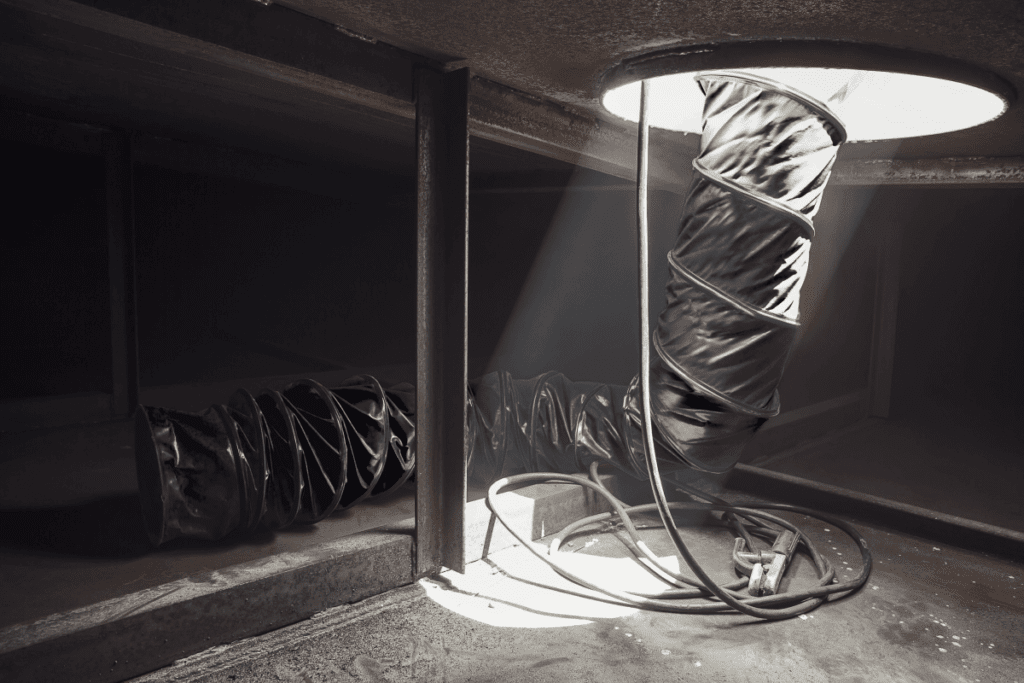
Looking for portable products made for challenging worksites and carrying ATEX and IECEX certifications can mean safer air can be created in working areas quickly, easily and dependably.
Thousands of offshore workers, shipbuilders, utilities operatives, chemical maintenance crews, and refurbishment teams worldwide rely on the SA CYCLONE range. This includes fans, ducting, filter units, couplers, and adaptors, all designed to help them work safely, comfortably, and efficiently in any conditions.
To learn more about the optimal use of our lighting and ventilation products, explore insightful case studies that demonstrate how safer, faster, and ultimately more cost-effective work is possible with the right choice of SA Equip portable equipment.
Contact us for assistance in selecting the right equipment, to request a demonstration, or to find out more about our bespoke equipment services.